
Speed and passion, quality first
To accelerate innovation and safeguard qualityOur end-to-end service is a highly collaborative and seamless' highway '
Date:2019-05-14
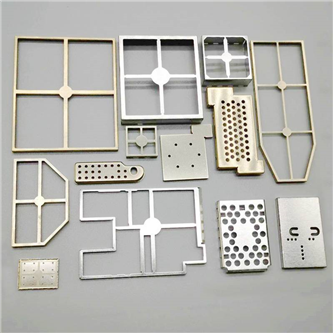
With the development of the social economy, mobile phones are now a must-have for everyone, and the use of shielding covers is very large. Do you know what material is used to make a shielding cover? Because different materials have different effects and prices when making a shielding cover. Below, the editor will take you to understand what materials are generally suitable for shielding covers
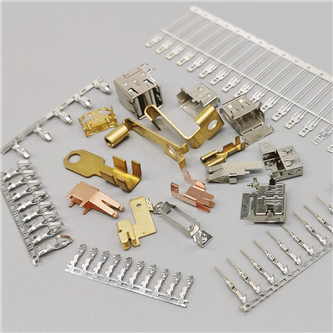
The shielding cover is mainly made of stainless steel, phosphor bronze, brass, tinplate, etc.
Stainless steel: has good shielding effect, high strength, and moderate price; But tin plating is difficult (it is almost impossible to tin without surface treatment, and nickel plating can improve it, but it is still not conducive to surface mounting)

White copper: It has good shielding effect, is relatively soft, easy to deform, and is generally about 30% more expensive than stainless steel. It is easy to tin. Currently, white copper is used for the lower shielding plates of TC3000 and TC3600.
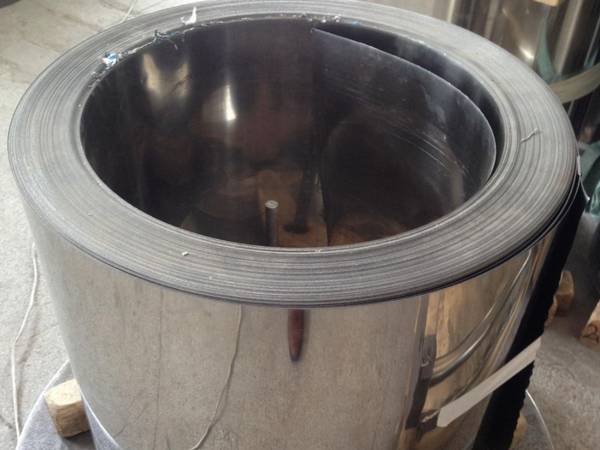
Brass: slightly inferior shielding effect.
Tinplate: The shielding effect is slightly poor, but it is well tinned and the price is cheap
The different shielding materials result in different product prices. Generally speaking, the prices of stainless steel and copper are slightly higher, while the price of tinplate shielding covers is slightly cheaper.
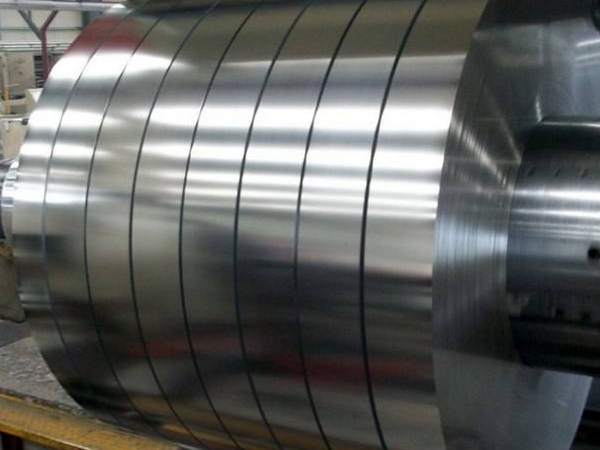
Currently, what we produceshield canThe most commonly used material is phosphor bronze, which is a copper based alloy with nickel as the main alloying element and is named after its silver white color. Copper and nickel can infinitely dissolve with each other to form a continuous solid copper nickel solution. It can significantly improve corrosion resistance, strength, hardness, resistance, and reduce the temperature coefficient of electrical resistivity.
In copper alloys, white copper is widely used as a corrosion-resistant structural component in shipbuilding, petroleum, chemical, power, precision instruments, medical equipment and other sectors due to its excellent corrosion resistance and ease of plastic processing and welding. Some white copper also has special electrical properties, which can be used to make resistance elements, thermocouple materials, and compensation wires.
But there is a drawback that the surface will turn yellow after reflow soldering. You can choose a high-temperature resistant white copper (280 degrees Celsius), which has no problem with reflow soldering, but it may also turn yellow during repair. Low salt spray resistance testing ability. However, compared to other materials, phosphor bronze is still more suitable for making shielding covers.
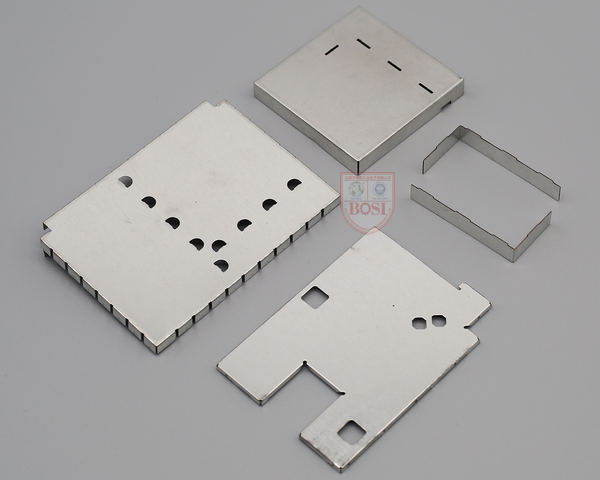
todayShielding cover manufacturer: http://www.bosiwj.com/mp-13.html That's all for the knowledge about what materials are usually used for shielding covers. The intelligent shielding covers produced by Dongguan Bosi Hardware are usually made of foreign white copper as raw material. If you are interested in our products, you can click here【Intelligent shielding cover】Let's know, we have produced thousands of shielding covers over the past 12 years of growth. Welcome to inquire







 Language
 Your location:
.jpg)
 Official account
 0769-82928019
 E-mail