
Speed and passion, quality first
To accelerate innovation and safeguard qualityOur end-to-end service is a highly collaborative and seamless' highway '
Date:2026-06-11
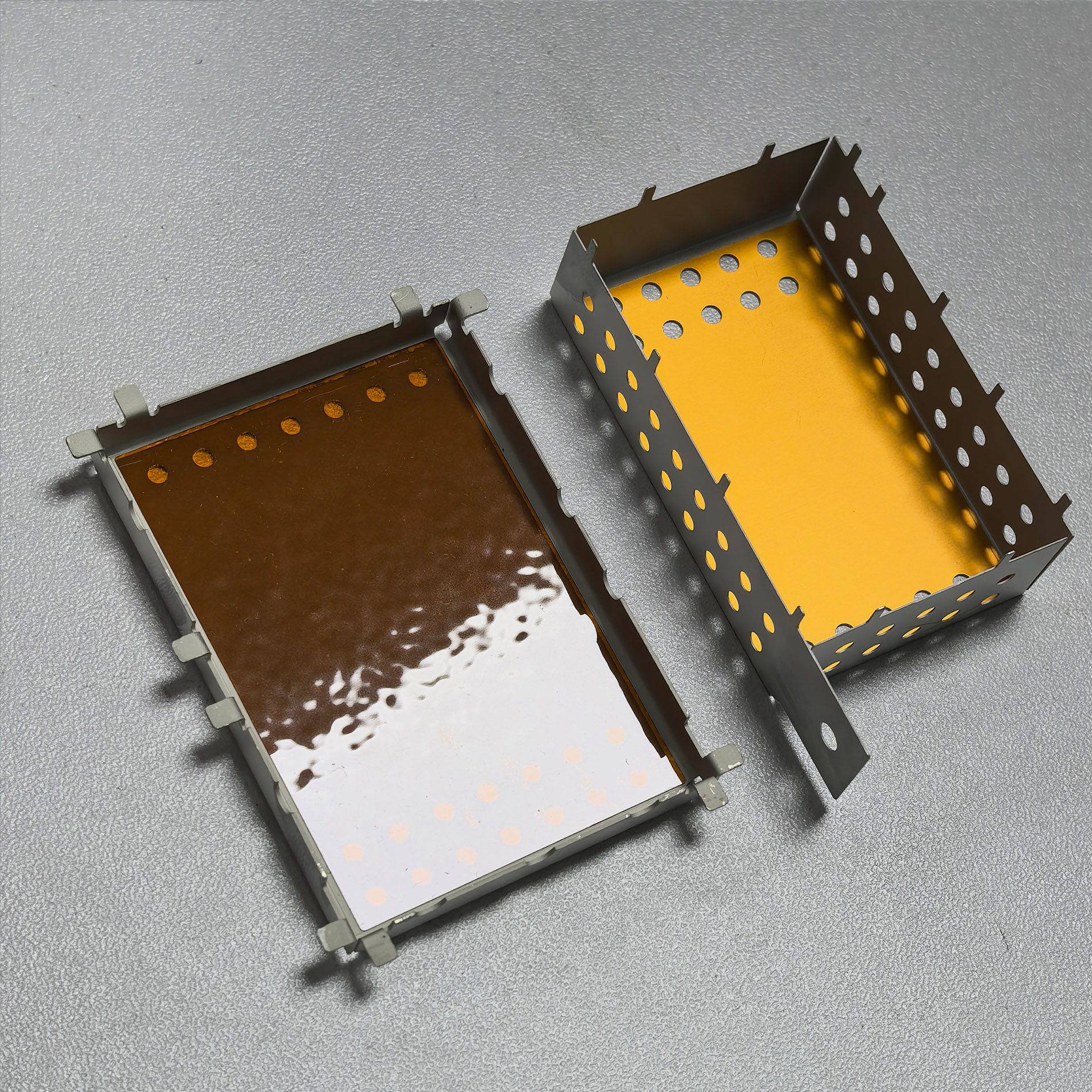
Manual Tape Application vs. Integrated Forming: A Comparison of New Insulation Processes for Shielding Covers
As consumer electronics and automotive electronics increasingly demand smaller and more reliable electromagnetic shielding covers, the traditional manufacturing process involving manual application of insulating tape has gradually become inadequate for the mass production of precision stamped parts. Dongguan Bosi Hardware Electronics Co., Ltd. has introduced an integrated shielding process, based on a patented composite solution of “polyester film + metal substrate,” which offers a more efficient and stable alternative for the insulation treatment of shielding covers, covering process, performance, cost and quality control.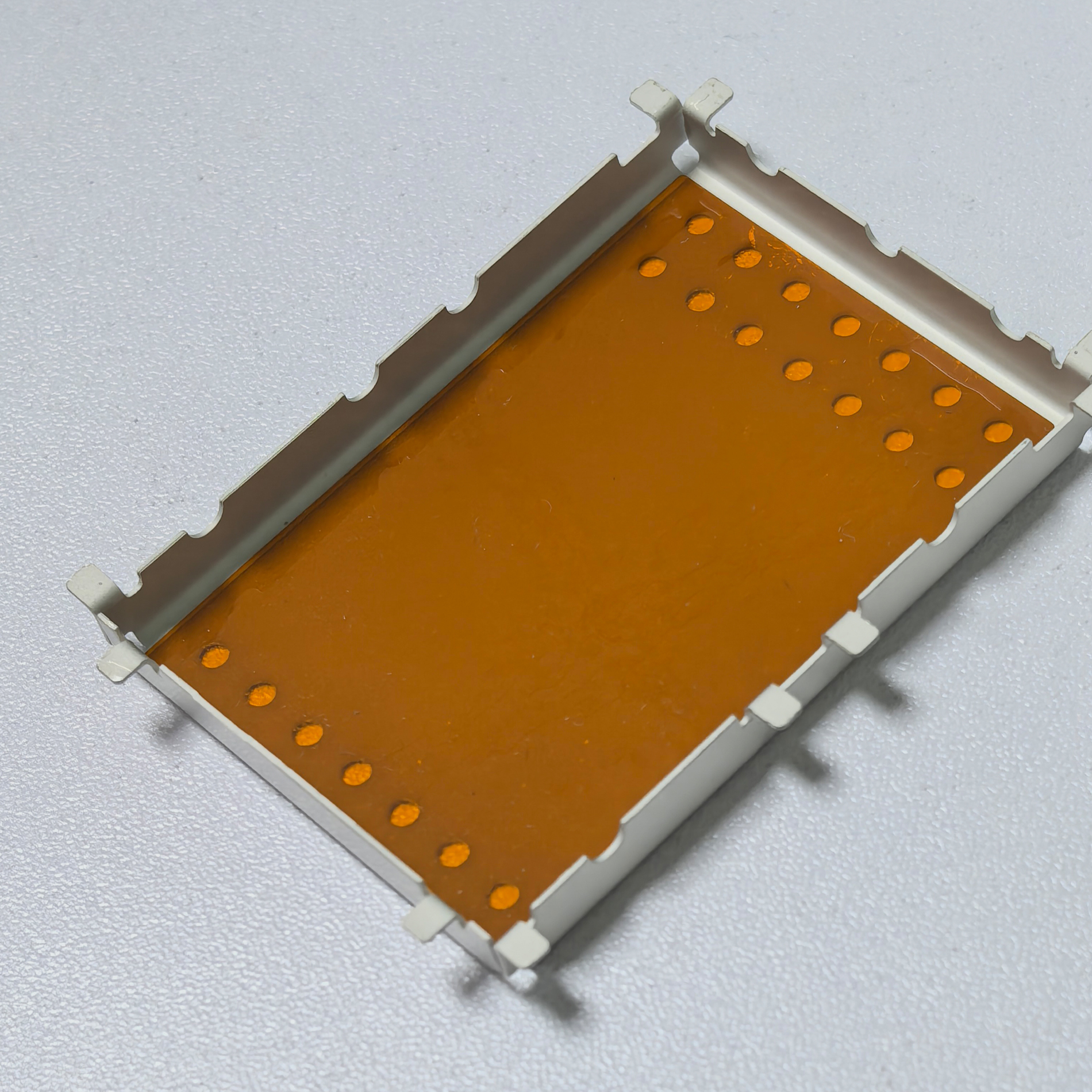
I. Core Pain Points of the Traditional Tape Application Process
The traditional insulation treatment for shielding covers follows a process of “stamping → manual application of insulating tape.” The insulating layer is realized by a tape consisting of a 25-micron polyester film and a 50-micron adhesive layer, which not only results in a relatively high overall thickness, making it difficult to meet ultra-thin requirements, but also presents multiple production pain points:
Unstable mass production and quality control: Manual operation is prone to precision variations, easily causing poor flatness and appearance defects in the shielding covers. Additionally, manual tape application is inefficient, leading to poor product consistency and difficulty in managing delivery schedules.
II. Core Advantages of the Integrated Shielding Process
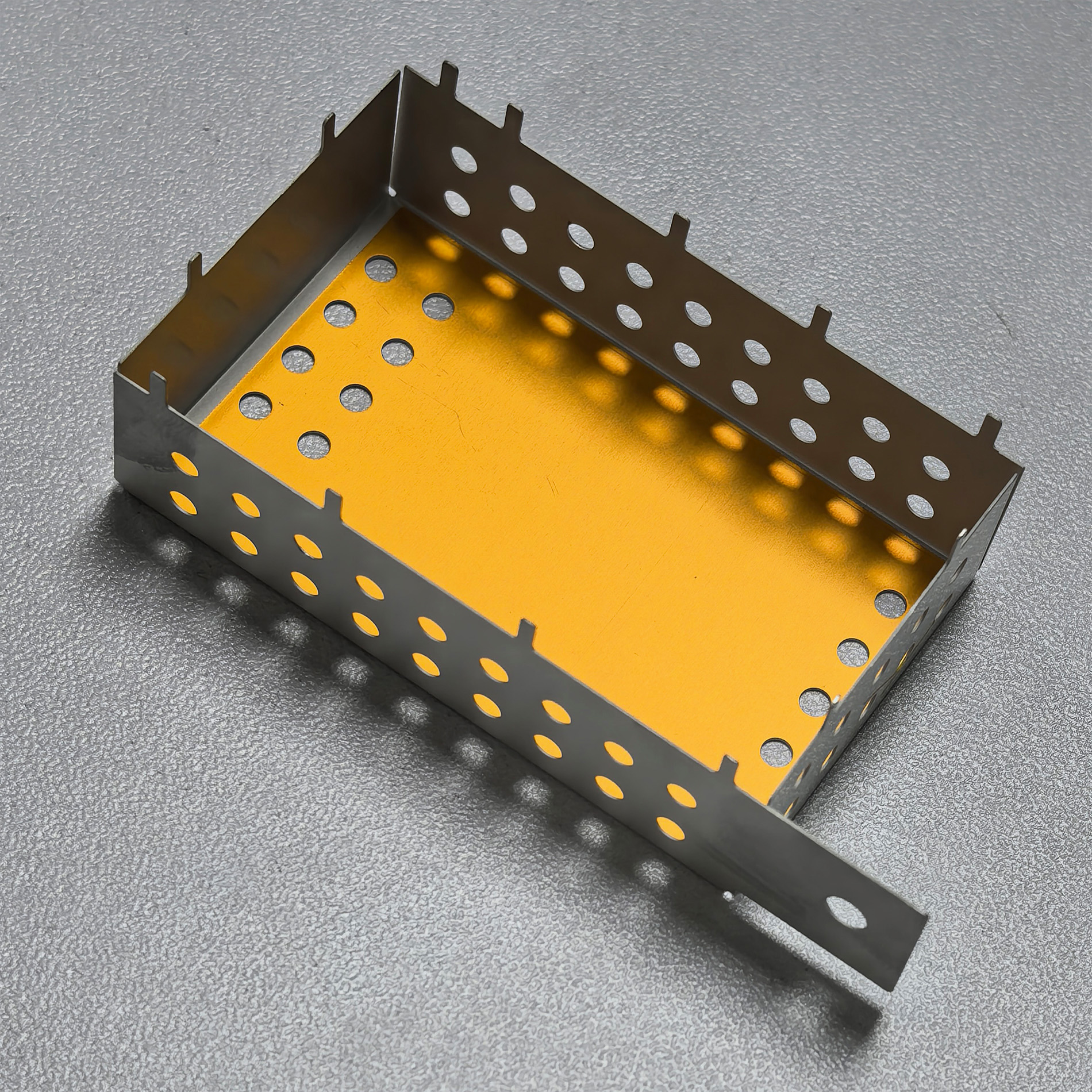
To address the limitations of the traditional process, the new process uses a patented composite material of “polyester film + metal substrate,” and the workflow is optimized to “composite material processing → stamping.” Automated lamination replaces manual tape application, fundamentally resolving the traditional pain points:
III. Verification and Competitive Advantages
Currently, the integrated shielding process has passed multiple performance verifications by authoritative institutions, including heat resistance, insulation resistance, dielectric breakdown voltage, moisture resistance and electromagnetic shielding tests, with all indicators meeting industry standards. Compared with the traditional tape application process, the new solution builds competitive advantages across all dimensions of performance, cost, quality, and delivery, providing customers with a more cost-effective solution for EMI shielding components and assisting products in achieving miniaturization and high-reliability upgrades.







 Language
 Your location:
.jpg)
 Official account
 0769-82928019
 E-mail