
Speed and passion, quality first
To accelerate innovation and safeguard qualityOur end-to-end service is a highly collaborative and seamless' highway '
Date:2019-06-06
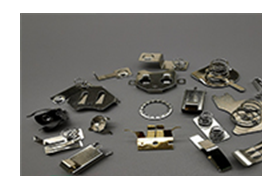
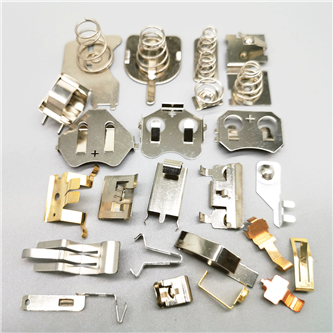
Hardware shrapnel is generally made of metal shrapnel steel, which is used to control the movement of mechanical parts, alleviate impact or vibration, store energy, measure the size of force, etc. It is widely used in machines and instruments. The types of metal shrapnel are complex and diverse, and according to their shapes, they mainly include spiral metal shrapnel, vortex metal shrapnel, plate metal shrapnel, etc.
Spiral metal shrapnel, also known as twisted metal shrapnel, is a metal shrapnel that undergoes twisting deformation, and the working part is also tightly wound into a spiral shape. The end structure of the twisted metal spring piece is processed into various shapes of twisted arms, rather than hooks. Twisting spring plates are commonly used in balancing mechanisms in machinery, and are widely used in industrial production such as automobiles, machine tools, and electrical appliances.
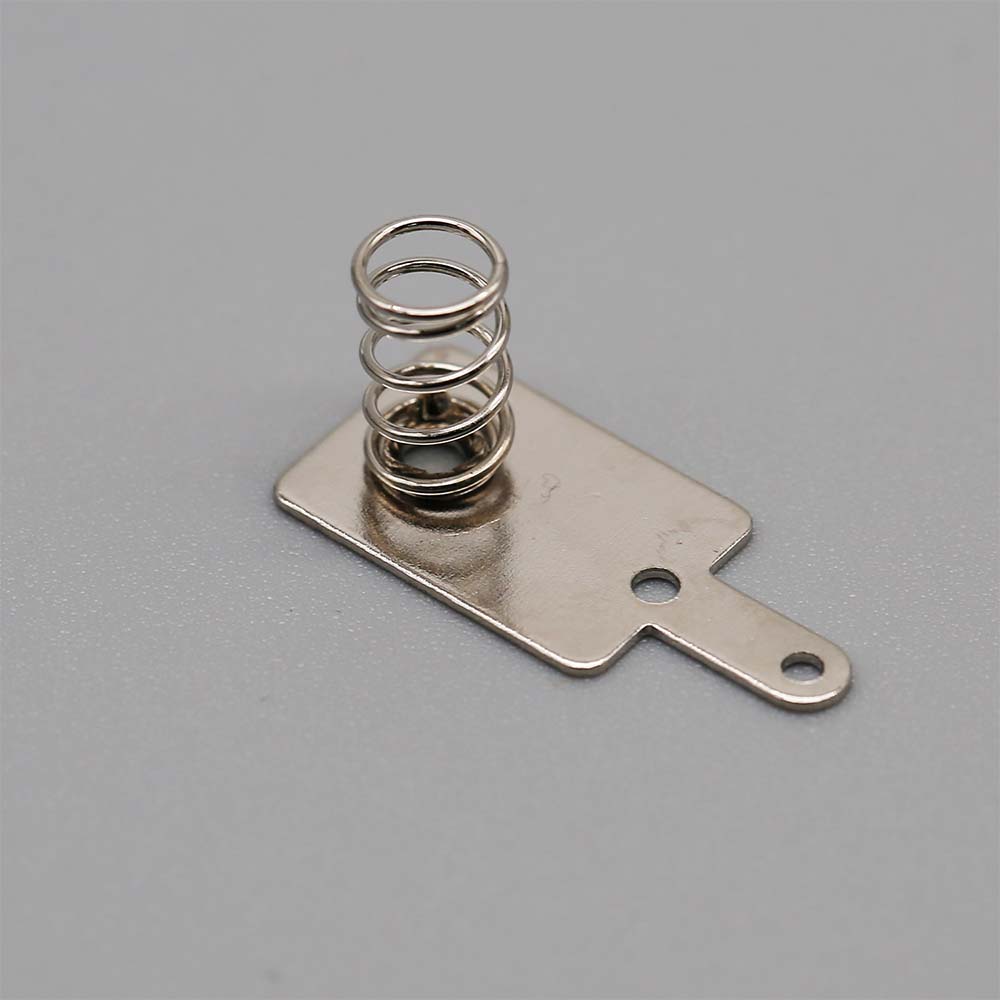
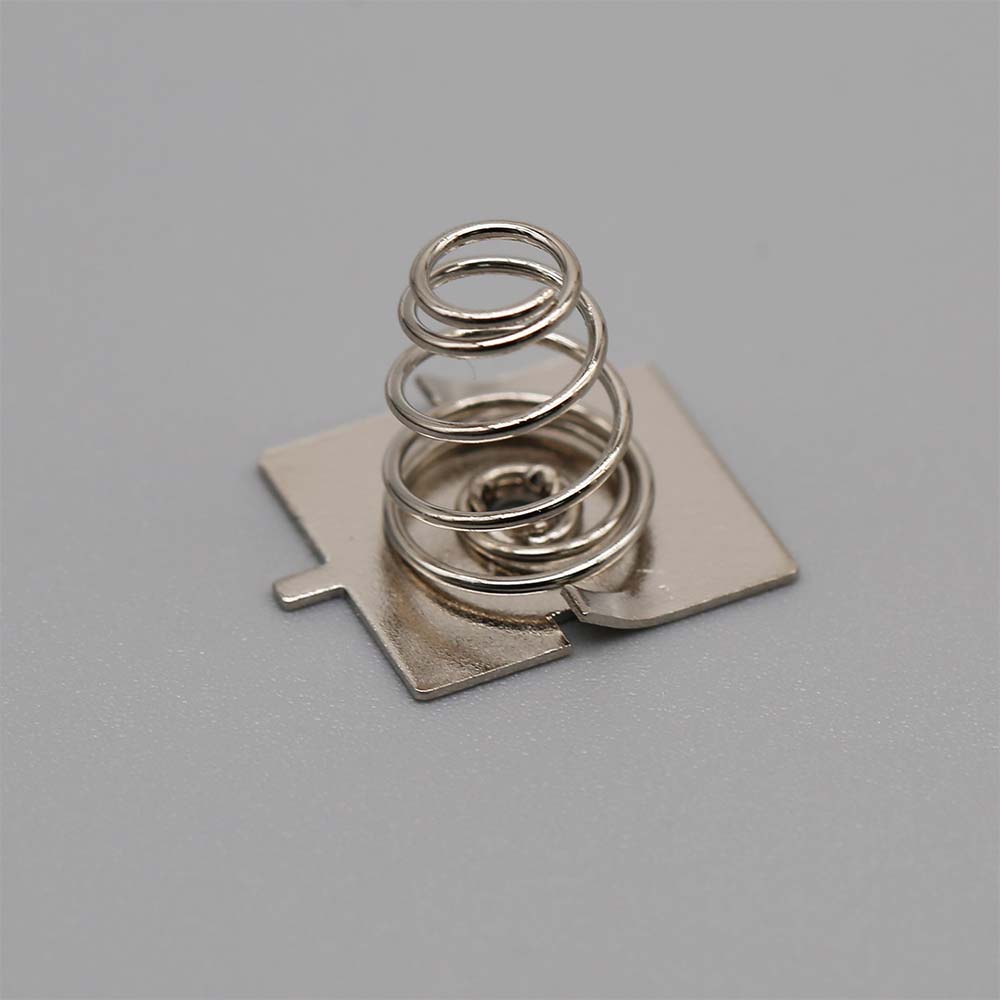
The application of metal shrapnel is becoming increasingly widespread, and it can deform with the weight of the load. So what is the main function of metal shrapnel? Let's take a look together below.
The main functions of hardware shrapnel are:
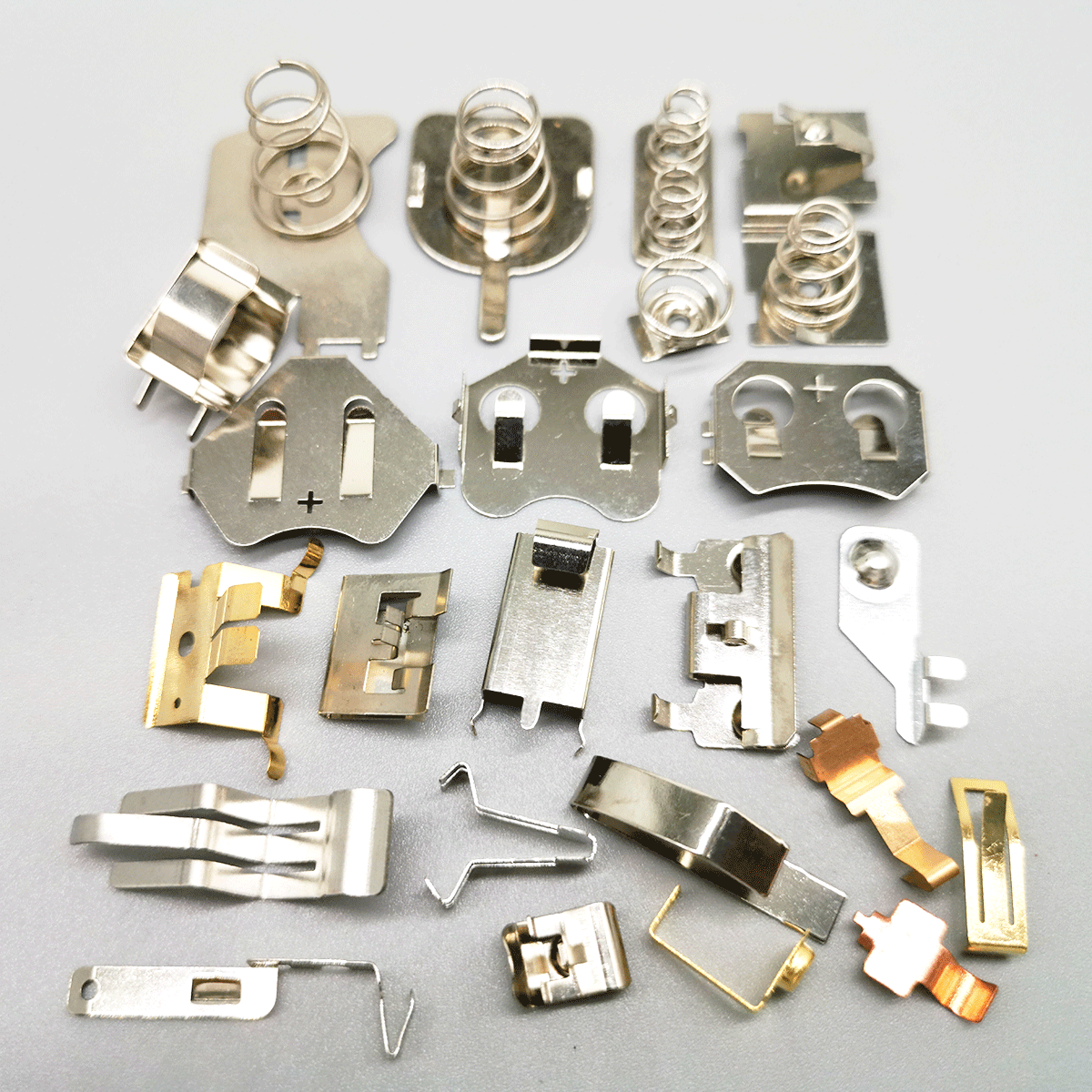
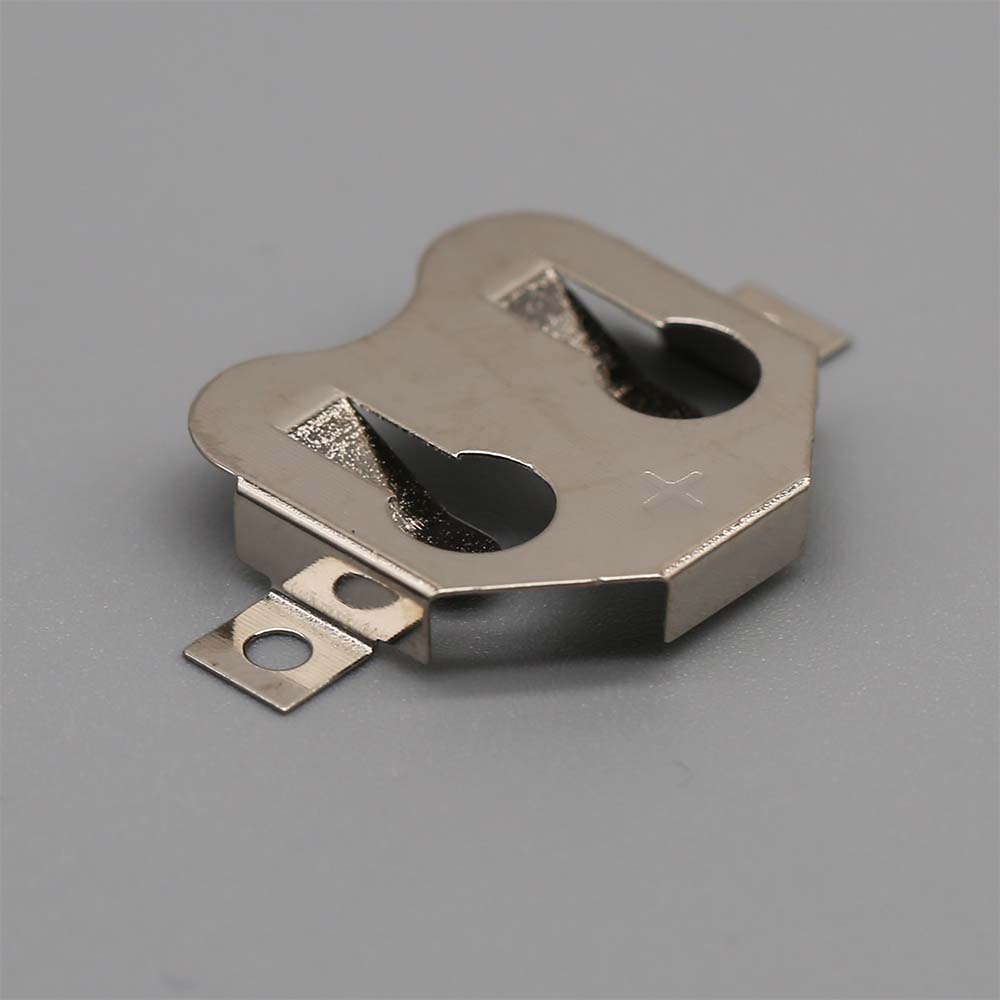
1. Used as force measuring components, such as force gauges, metal spring scales, etc. The ratio of load to deformation of hardware shrapnel is called the stiffness of hardware shrapnel, and the greater the stiffness, the harder the hardware shrapnel.
2. Control the movement of machinery, such as valve hardware spring plates in internal combustion engines, control hardware spring plates in clutches, etc.
3. Store and output energy as power, such as clock hardware shrapnel, hardware shrapnel in firearms, etc.
4. Absorb vibration and impact energy, such as buffer metal spring plates under cars and train carriages, and vibration absorbing metal spring plates in couplings.
Material of hardware shrapnel:
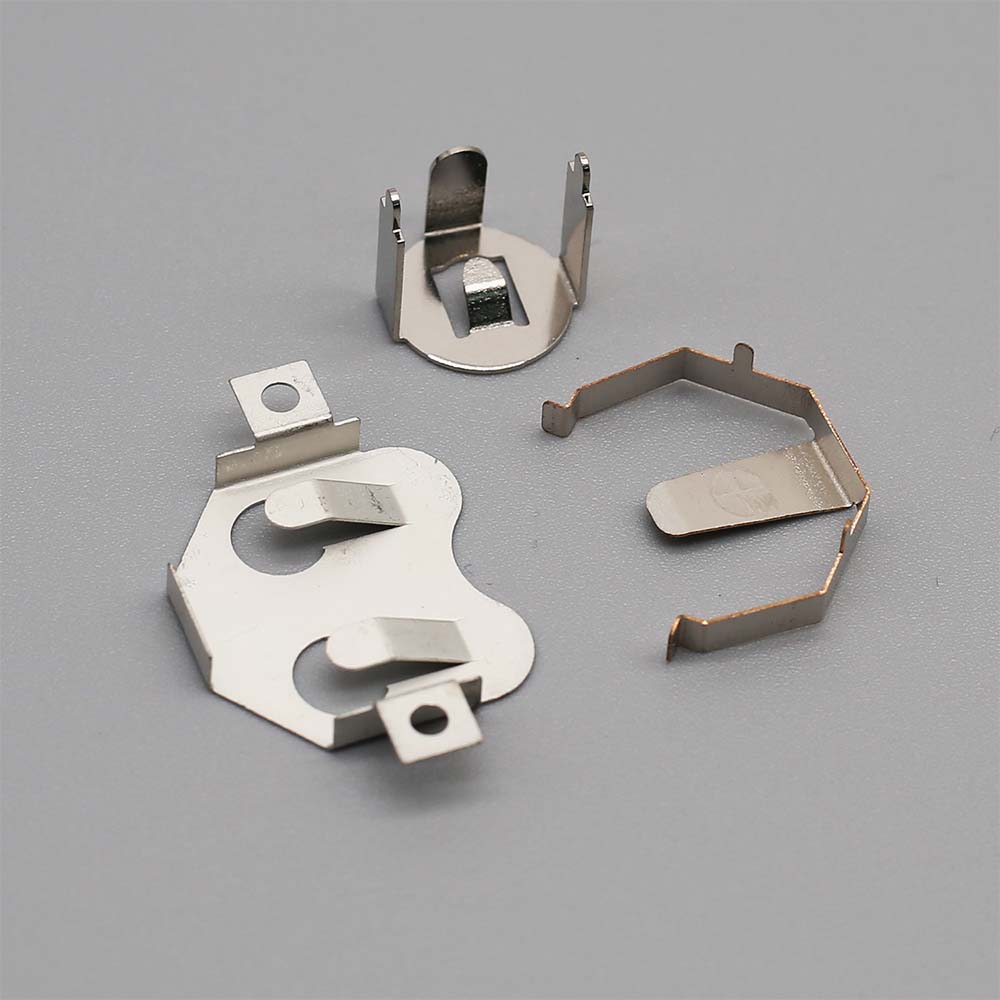
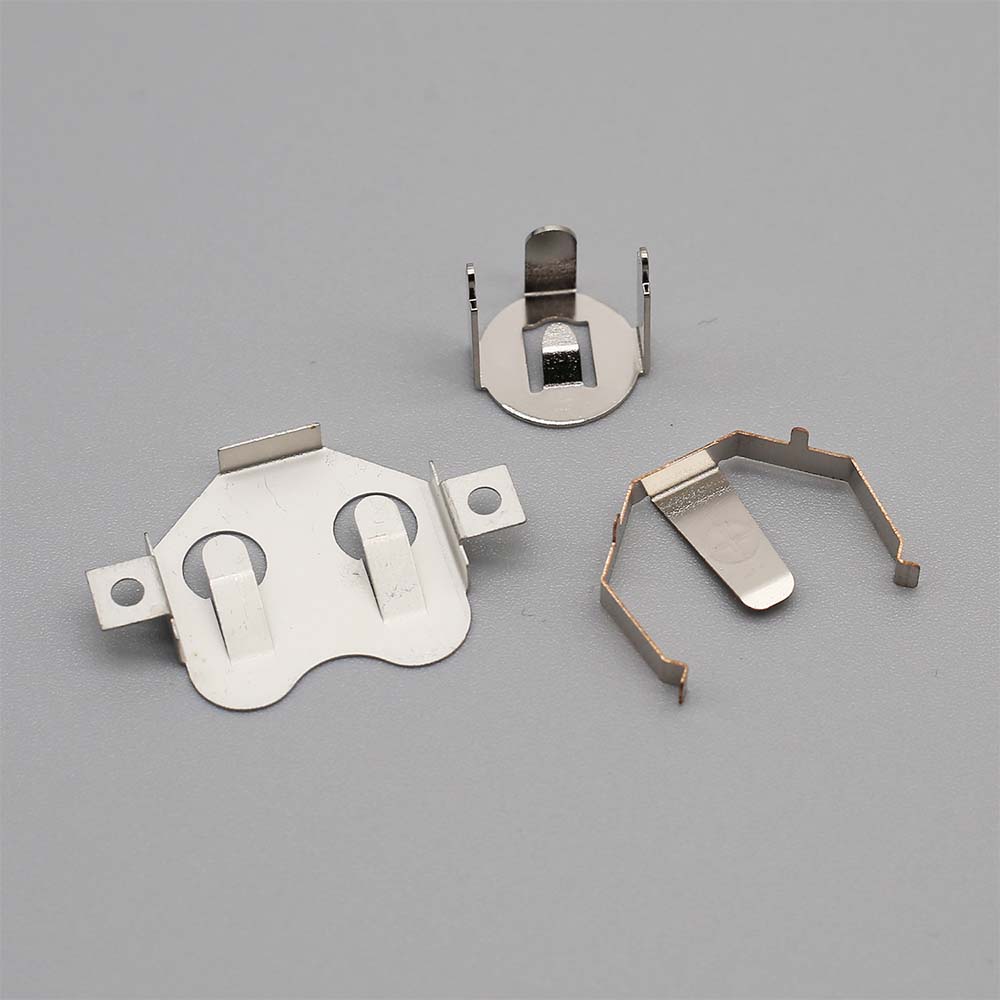
The materials for metal shrapnel include manganese steel, brass, stainless steel, phosphor bronze, and so on. The specific selection depends on factors such as the usage environment. For example, for general metal shrapnel, it is only necessary to use cold plate nickel plating, which has good effect and low cost.
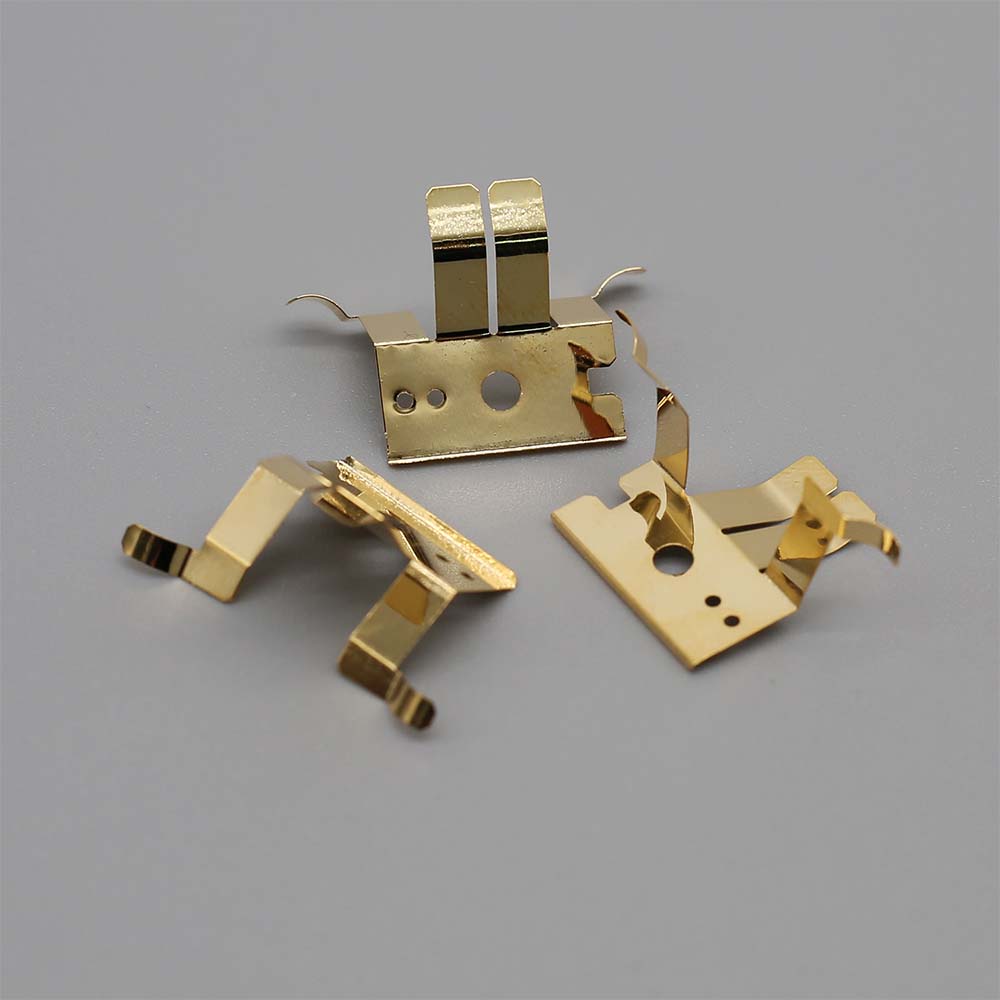
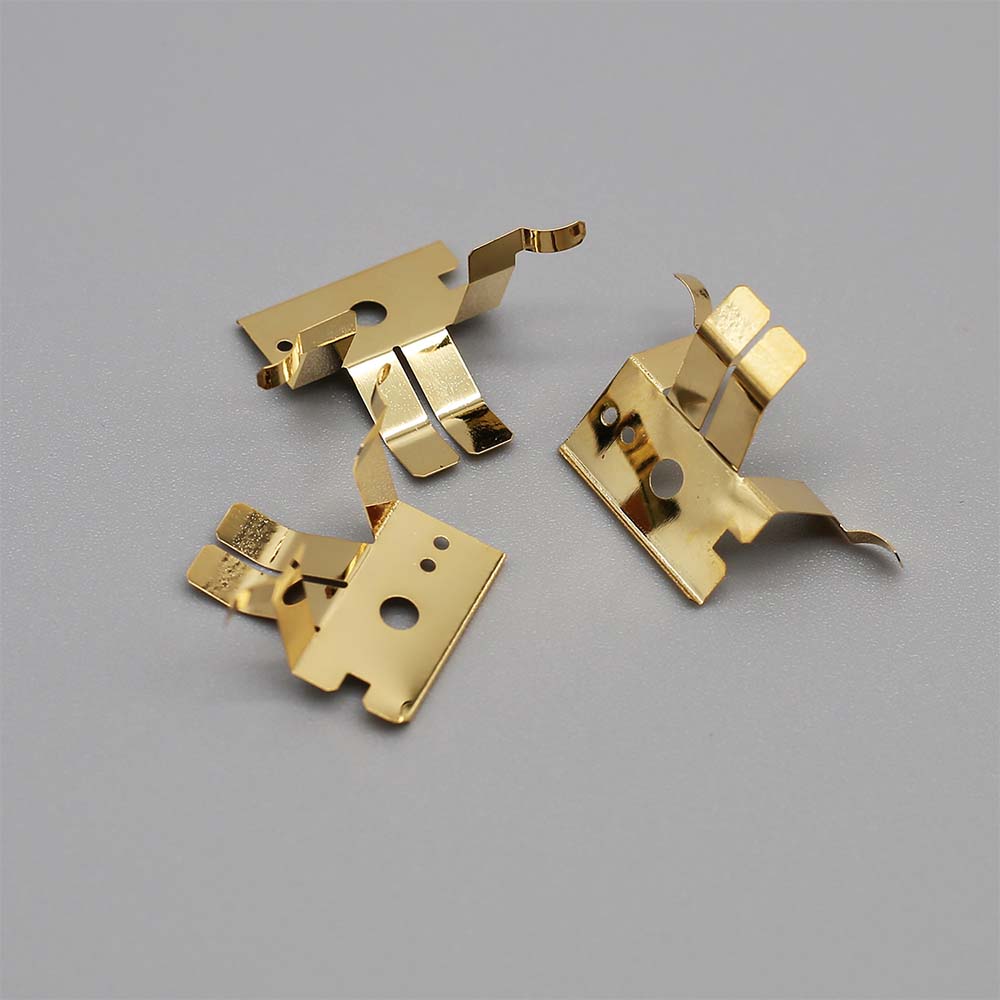
And brass hardware spring pieces have significantly better embroidery resistance than other materials in humid environments, but the cost is higher. Of course, there are other factors to consider, such as whether to weld and how the resistance is.
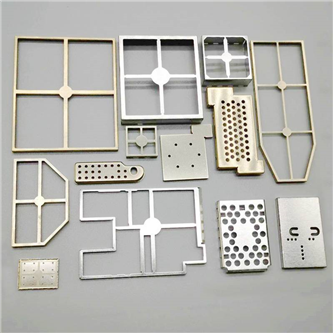
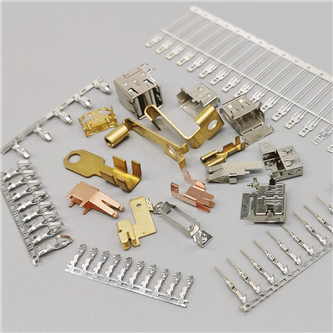
Hardware shrapnel belongs to metal stamping parts and is a mechanical spring component that works using elasticity. In the category of electronic hardware materials, it is made of stainless steel or manganese material after heat treatment and is an important component of switches. With the conductivity of metal shrapnel, it plays a high-quality switch role between the operator and the product.
At the same time, utilizing the stable rebound force of the pot pieces (which automatically returns to its original position when pressed) and the long lifespan, it provides high-quality tactile feedback to the operator.
Reasons for heat treatment of hardware shrapnel:
1. Storage and output power can have an effect on other movements, such as in clocks.
2. Manipulate mechanical actions, such as burning control valves and clutch hardware spring plates.
3. Absorb oscillation and impact energy, such as buffering tension spring plates and coupling damping tension springs under car carriages.
4. As a force element, such as the measured strength of hardware shrapnel.
Advantages of BOSI Metal Bullets
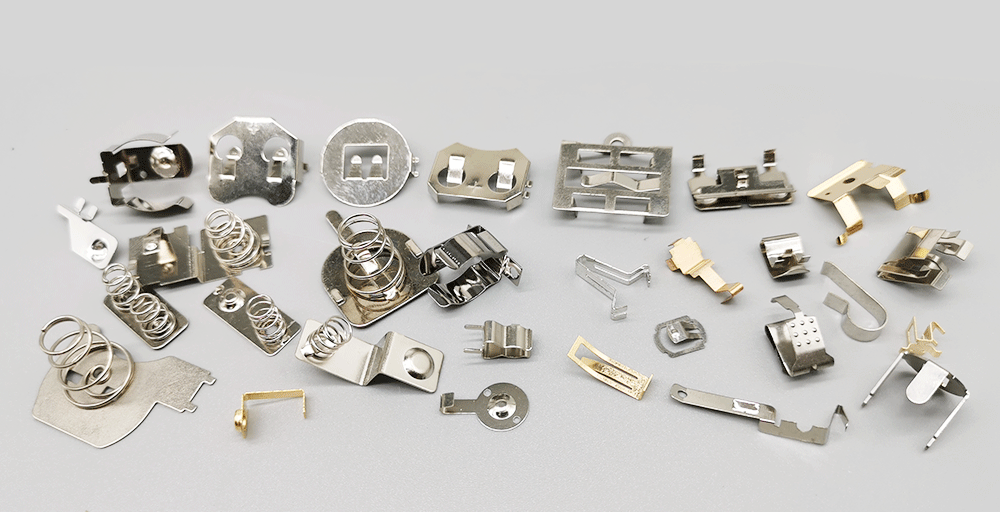
1. Light weight, good rigidity, high strength, high precision, oxidation resistance
2. The size of the same module is uniform and consistent,Has good interchangeability and surface quality
3. The lifespan of shrapnel is 10000 to 100000 times, and it can withstand over 10000 times of insertion and extraction force
4. Orthogonality 0.05mmMax, verticality 0.05mmMax, straightness 10mm, reference 0.05mmMax
BOSI material selection suggestionsFor general hardware shrapnel, cold plate nickel plating is used. Electronic hardware materials are made of stainless steel or manganese material after heat treatment. Brass, phosphor bronze, and beryllium copper (requiring heat treatment) can also be selected.







 Language
 Your location:
.jpg)
 Official account
 0769-82928019
 E-mail