
Speed and passion, quality first
To accelerate innovation and safeguard qualityOur end-to-end service is a highly collaborative and seamless' highway '
Date:2019-07-24
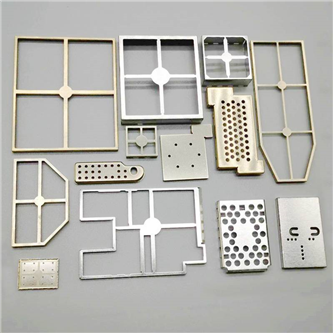
Due to the fact that most shielding cases are made of phosphor bronze and then produced through stamping, many manufacturers have concerns about how to clean the product when producing phosphor bronze shielding cases. Although they have been guided by cleaning agent manufacturers, the reasons for some of the defects that occur in the process have not yet been understood. Below, the editor summarizes the common adverse phenomena that occur during cleaning.
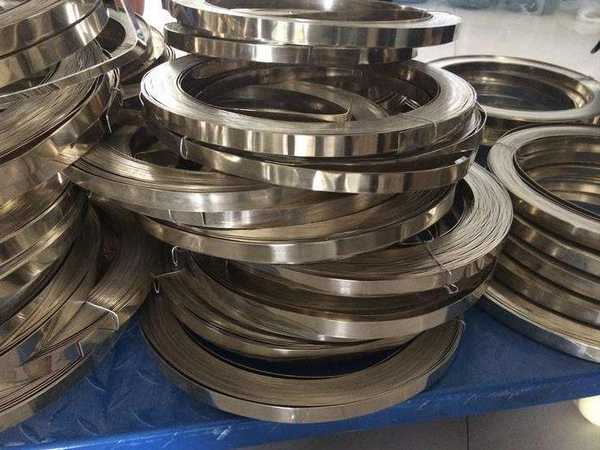
1、 Discrimination of oil removal effect
After cleaningshield canRinse and then dry it out. If there is a certain amount of dirt on the surface, first we use a dust-free cloth dipped in a little white electric oil or alcohol to wipe the surface of the workpiece, and the action must be light, only lightly wiping the surface.
Afterwards, observe whether the dirt still exists,
1. If it doesn't exist, it means the cleaning agent didn't clean well.
2. If it still exists, then apply a little more force to wipe it, without excessive force, just focus more on it than before.
If it still exists, then vigorously wipe it again to see if it still exists. At the same time, take some uncleaned workpieces and gently wipe them to see if there are any similar dirt that cannot be removed.
If the same is true, then look for the reason from the previous processing flow and eliminate the generation of such stubborn dirt from the source. Do not affect the subsequent cleaning for the sake of convenience. Even if the cleaning agent can be strengthened to wash away, it will greatly increase the cost of cleaning consumption.
3. No, it means the dirt can be removed, it's just stubborn. Considering that cleaning agents are effective in removing oil stains, but their effectiveness in removing stubborn dirt is relatively poor.
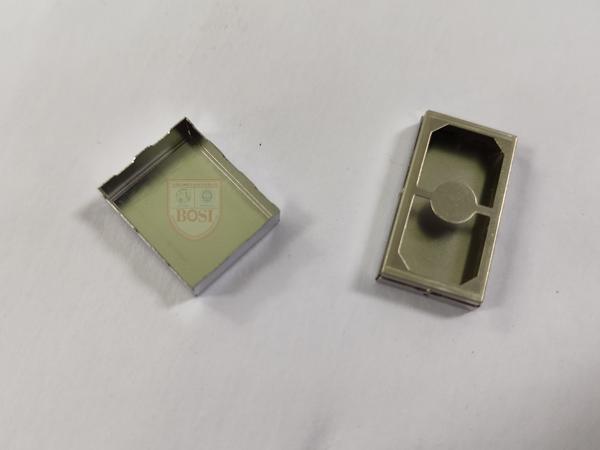
2、 Handprint phenomenon
The cleaned shielding cover has fingerprints that cannot be removed. We need to first clarify that water-based cleaning agents can clean fingerprints, but only for minor stains and cannot completely remove large areas of heavy stains. Of course, when fingerprints appear, we first use wiping. Generally speaking, fingerprints will not exist once wiped, even after being baked and dried.
If wiping cannot remove it, please also use an unwashed shield with fingerprints for wiping.
If fingerprints can be completely removed, then consider that some factors during the cleaning process may cause fingerprints to change and become impossible to wipe off.
If the fingerprints on the unwashed shielding cover still exist after wiping, it is because the fingerprints have undergone a chemical reaction with the shielding cover material, which has occurred in many processing units and should be eliminated at the source.
Normally, the processing process does not require manual contact and there will be no fingerprints present. Please strengthen management and do not think it is impossible to do so. There are many times when manual contact is not necessary, which is unscientific.

3、 The product turns yellow
Yellowing can be divided into several phenomena: overall, localized patches, and spots.
1shield canThe overall yellowing, which becomes more yellow or even black with prolonged soaking time, must be a problem with the cleaning agent.
2. Localized yellowing, on the one hand, we also need to consider the possible corrosive effect of the cleaning agent on the copper material, and on the other hand, it may be due to residual cleaning solution after incomplete oil removal or rinsing, resulting in yellow spots. In this regard, wiping methods can be used. If it can be wiped off, it is the latter reason.
3. The occurrence of spot like yellowing is similar to the local possible reasons, and tends to be caused by multiple factors such as incomplete oil removal or incomplete rinsing.
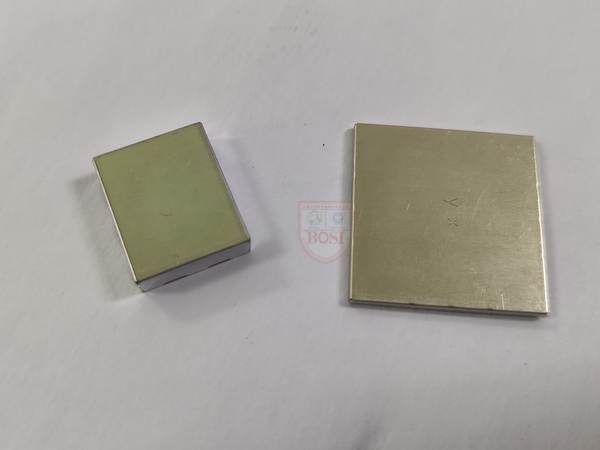
4、 Watermark
The appearance of watermarks is usually a problem with the quality of the rinse water. Firstly, check if the pure water equipment is functioning properly; Next, check the water quality in the rinsing tank. A simple method is to take a clean shielding cover and wipe it thoroughly with alcohol or other substances to remove any stains. Soak it in rinse water and dry it with a hair dryer to see if there are any watermarks. If there are, it should be a problem with the water quality earlier.
If there is no watermark after drying with a hair dryer, use the same method to dry the shielding cover in a drying device. If there is a watermark, please clean the drying equipment. It should be caused by the dirt inside the equipment falling onto the surface of the shielding cover during the drying process.
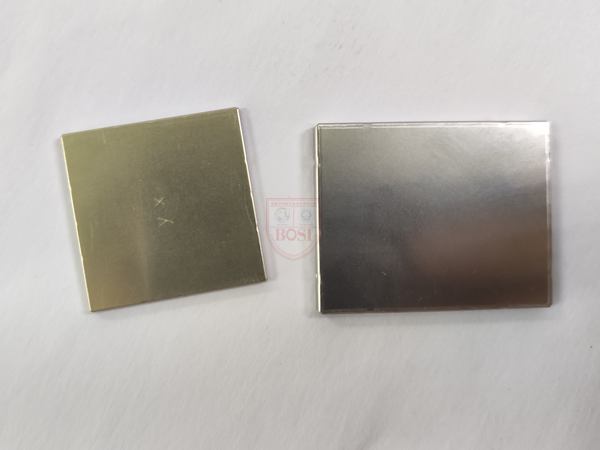
The above is aboutReasons and solutions for adverse phenomena during the cleaning of foreign white copper shielding covers: http://www.bosiwj.com/mp-10.html
I hope that major shielding cover manufacturers can help everyone when cleaning the phosphor bronze shielding cover. Dongguan Bosi shielding cover manufacturer has rich experience and mature technology in the field of foreign white copper shielding covers, and is willing to solve any problems that arise for you. If you want to know more, you can continue to follow us, as well as our WeChat official account.







 Language
 Your location:
.jpg)
 Official account
 0769-82928019
 E-mail